
COMISION NACIONAL PATRIMONIO CULTURAL INTANGIBEL ARUBA WITH FIRST MUSIC SESSION
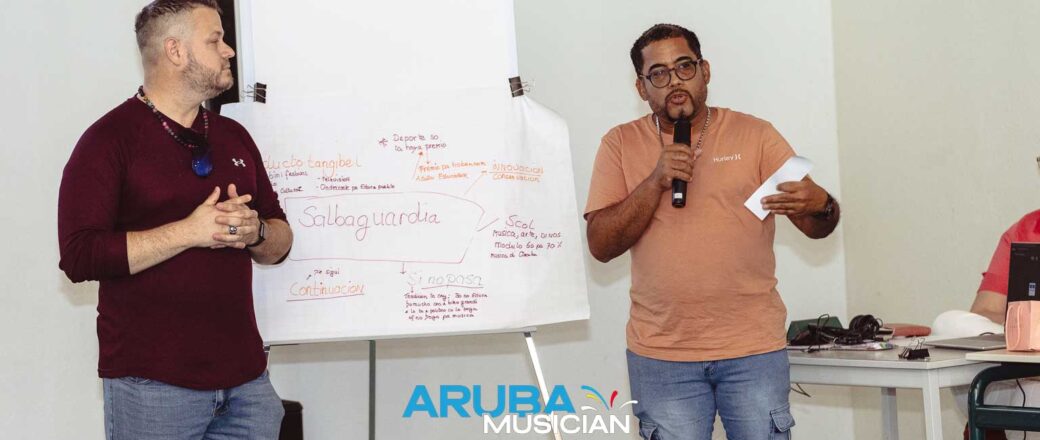
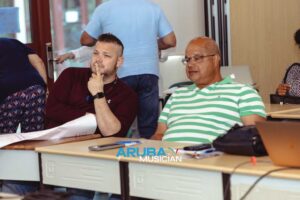
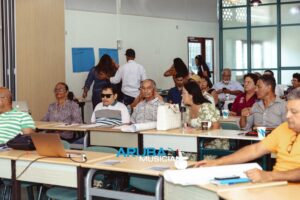
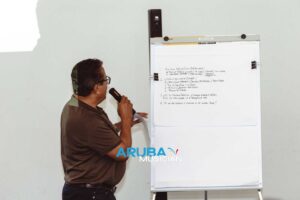
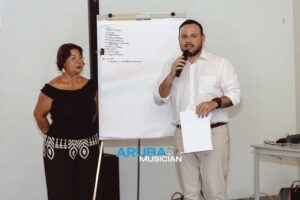
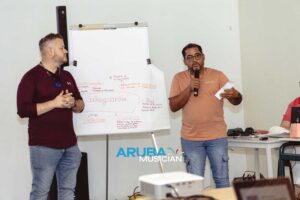
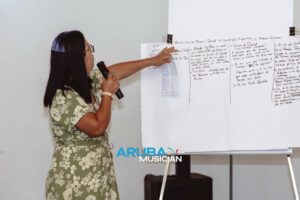
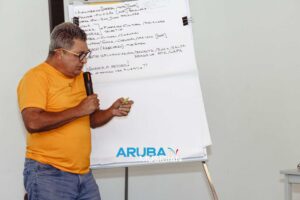
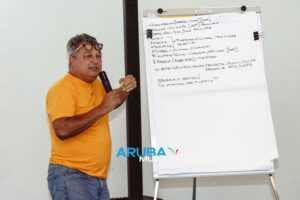
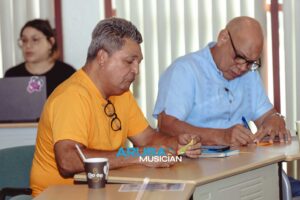
“The National Commission for Intangible Cultural Heritage Aruba would like to thank everyone who participated this past Saturday in their successful first national consultation. On this occasion, they had the opportunity to hear from the music sector.
The participation of key actors within our community will help us develop a national inventory to identify which intangible heritage must be safeguarded for future generations!
Elaboration: Why This Matters
This announcement is a significant step in Aruba’s commitment to the UNESCO 2003 Convention for the Safeguarding of the Intangible Cultural Heritage. Here is a deeper look at what is happening:
- The Focus on Music: By starting with the music sector, the Commission is engaging with the heartbeat of Aruban identity. This includes traditional genres like the Wals, Danza, Mazurka, and the iconic Caha di Orgel, Tambu as well as seasonal traditions like Dande and Carnival rhythms.
- The “National Inventory”: This isn’t just a list. It is a formal recognition. Creating an inventory is a prerequisite for seeking international protection or funding. It documents the “living” culture—the practices, representations, expressions, knowledge, and skills that communities recognize as part of their cultural heritage.
- “Safeguarding” vs. “Preserving”: While “preserving” often refers to keeping something frozen in time (like an artifact in a museum), safeguarding is about ensuring that living traditions continue to be practiced and passed down from masters to apprentices and from parents to children.
- Community-Led: The Commission emphasizes “key actors” because intangible heritage cannot be defined by the government alone. It must be defined by the practitioners, the musicians, instrument makers, and historians—who keep the culture alive every day.
What’s Next? Since this was the first consultation, you can expect future sessions to focus on other “pillars” of heritage, such as:
- Oral traditions and expressions (including Papiamento as a vehicle of heritage).
- Performing arts (dance and theater).
- Social practices, rituals, and festive events.
- Knowledge and practices concerning nature and the universe.
- Traditional craftsmanship.
Are you involved in the Aruban arts scene, or are you looking to participate in one of these upcoming sessions?



















Social Media